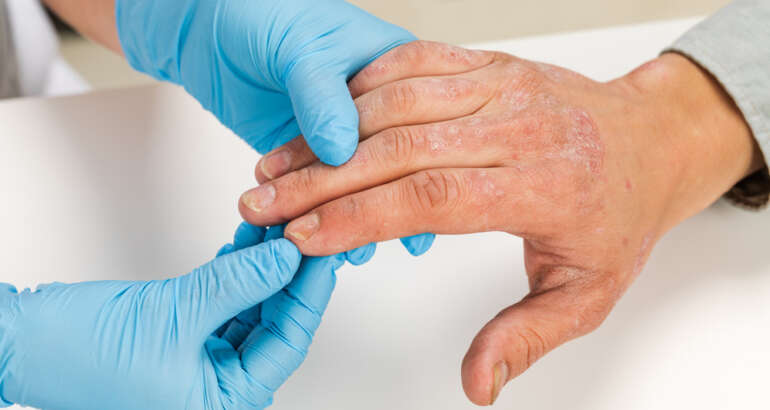
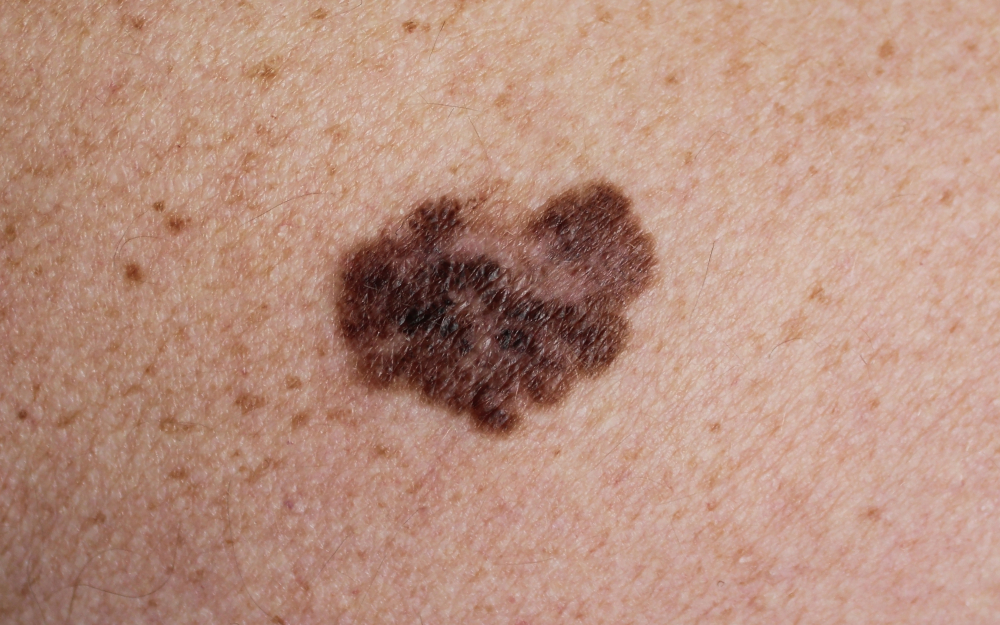
Determining the types of skin cancer treated with Mohs surgery includes some of the most common forms of skin cancer, especially those that develop in delicate or highly visible areas.
Mohs surgery is widely recognized for its ability to remove cancer with remarkable precision while preserving as much healthy tissue as possible, making it an excellent treatment option for many patients.
Why Mohs Surgery Is Different
Unlike traditional skin cancer removal, Mohs surgery is performed one layer at a time. After each layer is removed, it is immediately examined under a microscope to check for remaining cancer cells. This process continues until the cancer has been completely removed.
The result is one of the highest cure rates available while minimizing unnecessary removal of healthy skin.
Types of Skin Cancer Treated With Mohs Surgery
Mohs surgery is most commonly used to treat basal cell carcinoma and squamous cell carcinoma.
Basal cell carcinoma is the most frequently diagnosed skin cancer and often appears on areas with significant sun exposure, such as the face, ears, scalp and neck.
Squamous cell carcinoma may grow more aggressively and is also commonly treated with Mohs surgery, particularly when it develops in areas where preserving healthy tissue is important.
In select cases, some types of skin cancer can be treated Mohs surgery may also be recommended for certain early-stage melanomas and rare skin cancers, depending on their size, location and pathology.
Your dermatologist will determine whether this specialized procedure is the most appropriate treatment for your diagnosis.
When to See a Dermatologist
If you’ve noticed a sore that won’t heal, a new growth or changes to an existing spot, don’t wait to have it evaluated. Early diagnosis often leads to simpler treatment and better outcomes. A thorough skin examination can determine whether Mohs surgery or another treatment option is right for you.
If you’ve been diagnosed with skin cancer or if Mohs surgery leave a scar, request a consultation online or contact Acworth Dermatology today at 678-505-8030.
Dr. Johnathan Chappell and his experienced team provide advanced skin cancer care with a personalized approach focused on achieving the best possible results.