So, you’ve been told you need Mohs surgery. First reaction: stress. Second reaction: Google spiral. Third reaction: total confusion.
Take a breath, we’re here to help.
Mohs micrographic surgery is one of the most precise, effective, and confidence-restoring treatments out there for certain skin cancers. Knowing exactly how the day will unfold makes a huge difference. This guide breaks down what really happens before, during, and after Mohs Procedure Near Johns Creek, minus the fear and fluff.
Why Mohs Gets So Much Respect in Dermatology
Mohs surgery is not your average skin cancer treatment. This technique is designed to remove cancer layer by layer while checking each microscopic edge in real time. Translation: nothing sneaky gets left behind.
It is most commonly used for basal cell carcinoma and squamous cell carcinoma, especially when they show up on high-visibility areas like the face, nose, ears, scalp, hands, and neck. Mohs offers extremely high cure rates while protecting as much healthy skin as possible, which means better healing and better cosmetic outcomes. This is why it is often considered the VIP treatment of skin cancer care.
What the Day of Your Procedure Actually Looks Like
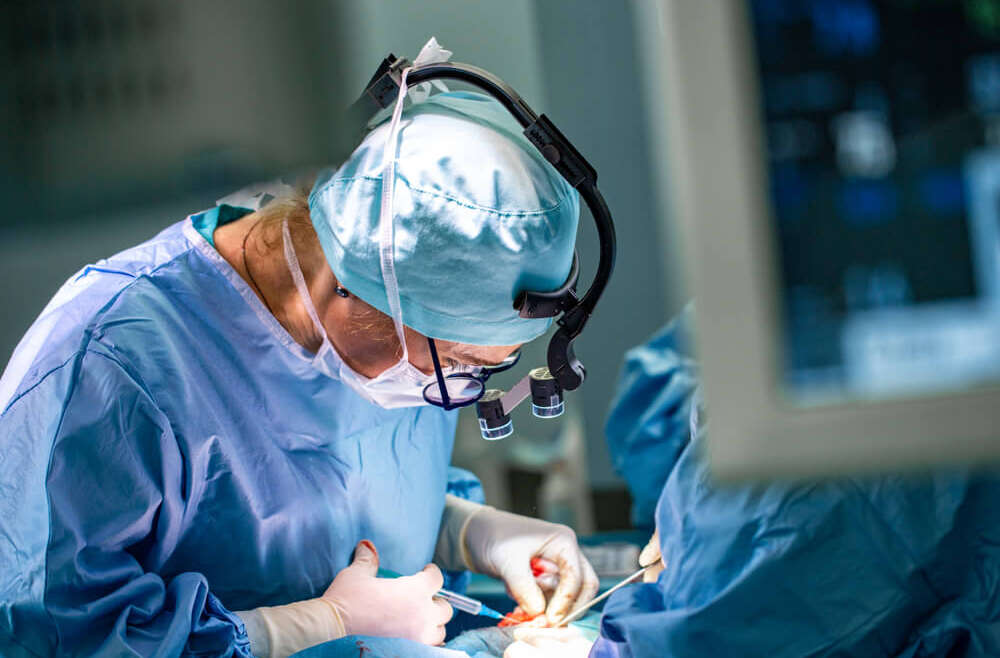
You arrive, check in, and get comfortable. Mohs is done with local anesthesia, so you are awake but fully numbed where the surgery happens. The surgeon removes the visible cancer along with a very thin layer of surrounding tissue. That tissue goes straight to the lab for microscopic examination.
Now comes the waiting game. While the tissue is being analyzed, you relax in the office. If cancer cells are still found, another ultra-thin layer is removed only from the affected area. Then it is back to the microscope again. This repeat-as-needed process continues until every last cancer cell is gone.
Some procedures wrap up quickly. Others take a few stages and several hours. Either way, the payoff is precision that traditional surgery just cannot match.
How the Repair and Closure Are Handled
Once the cancer has officially been kicked out, repair time begins. Depending on where the surgical site is and how large it is, your wound may be closed with stitches, a skin flap, a skin graft, or allowed to heal naturally.
Reconstruction is often done the same day, which means you walk out with both treatment and repair already handled. You will receive detailed aftercare instructions that cover cleaning, ointment use, physical activity limits, and signs to watch for during healing. Following these steps closely plays a big role in how your scar ultimately looks.
Recovery Mode and Follow-Up Care
The first few days after surgery usually involve mild swelling, redness, and tenderness. Most patients manage discomfort with over-the-counter medication. As healing progresses, these symptoms fade and the skin begins to settle into its new normal.
Follow-up visits allow your provider to remove sutures, monitor healing, and ensure everything is progressing properly. Long-term skin checks also become a priority. Once you have had one skin cancer, your future risk increases, making routine dermatology visits a smart move for ongoing protection.
Choosing Your Provider
Mohs surgery is all about precision, which means your provider’s training and experience truly matter. Fellowship-trained Mohs surgeons, on-site pathology services, and strong reconstruction expertise all contribute to better results and lower recurrence rates.
If you are searching for Mohs Procedure Near Johns Creek, working with a skilled dermatologist like Dr. Jonathan Chappell that handles everything from diagnosis to repair under one roof can make the entire experience smoother and far less intimidating.
Book Your Mohs Procedure Near Johns Creek, Gerogia, at Acworth Dertmatology
For patients seeking advanced Mohs surgery and comprehensive skin cancer care in the Johns Creek area, Acworth Dermatology delivers expert treatment with precision and patient-focused care.
To schedule your consultation or confirm your surgical plan, contact us online or call 678-505-8030.