Have you ever wondered why your friend can spend an afternoon at the beach and come home with a gorgeous golden tan, while you end up looking like a lobster after just 20 minutes in the sun?
Or maybe you’ve noticed that certain skincare treatments work wonders for some people but require extra precautions for others. The answer often comes down to the Fitzpatrick Skin Type Scale.
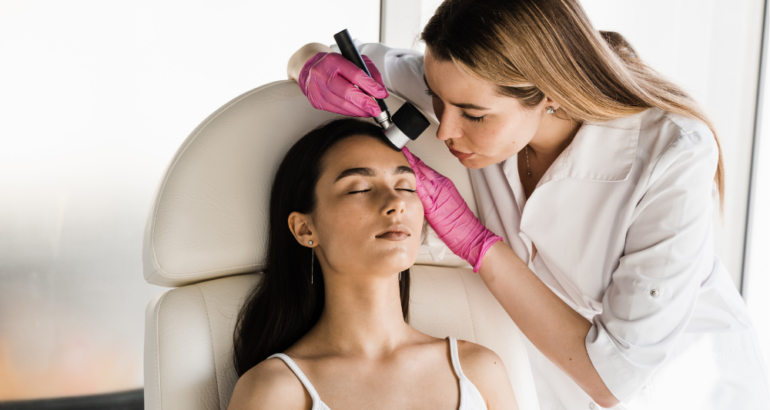
This is an essential tool that’s used by dermatologists when performing skin exams or other services.
So where do you fall on the scale? Here’s what you need to know about the six Fitzpatrick skin types.
What Is the Fitzpatrick Skin Type Scale?
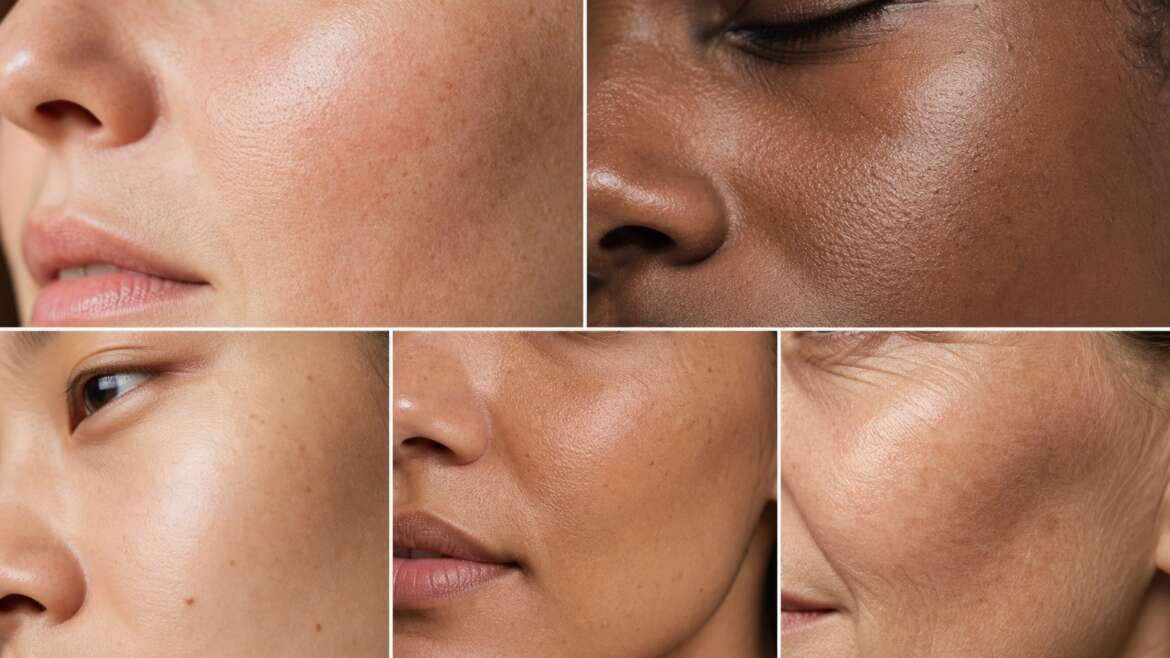
This tool classifies skin based on how much melanin it naturally contains and how it responds to ultraviolet (UV) light. Melanin is the pigment responsible for the color of your skin, hair, and eyes.
It also provides some natural protection against the sun’s harmful rays.
While every skin type can experience sun damage and develop skin cancer, some are more prone to burning while others tan more easily. Understanding your skin type allows your dermatologist to tailor skincare recommendations, sun protection advice, and cosmetic treatments.
Exploring the 6 Fitzpatrick Skin Types: What You Need to Know
Here’s what you need to know about the six Fitzpatrick skin types.
Type I: Always Burns, Never Tans
Type I skin is the fairest on the scale. People with this skin type typically have very fair skin, light-colored eyes, and blonde or red hair.
If you have Type I skin, chances are you’ve experienced painful sunburns after relatively little sun exposure. Tanning is extremely difficult, if not impossible.
Because this skin type has very little melanin, diligent sun protection is essential. Daily sunscreen and wearing protective clothing outdoors can minimize UV exposure and damage.
Type II: Usually Burns, Tans Minimally
People with type II skin are also fair but may tan slightly after repeated sun exposure. However, burning is still very common.
You may have fair skin with blue, green, or hazel eyes and light brown or blonde hair.
Even though you might develop a light tan eventually, your skin remains highly vulnerable to UV damage. Consistent sunscreen use and regular skin checks are especially important.
Type III: Sometimes Burns, Gradually Tans
Type II is often considered the middle ground. People with this skin type usually have beige or light olive skin that may burn after prolonged sun exposure, but gradually develops a noticeable tan.
Many individuals mistakenly believe that tanning protects them from future sun damage. While type II skin contains more melanin than types I and II, it’s still susceptible to premature aging, pigmentation changes, and skin cancer.
Type IV: Rarely Burns, Easily Tans
Type IV skin generally has olive or light brown coloring and tans relatively easily. Burning can still happen after prolonged UV exposure, but it occurs less frequently compared to lighter skin types.
People with type IV often have a natural glow, but they aren’t immune to sun damage.
Hyperpigmentation, uneven skin tone, and sun-induced aging remain common concerns, so sunscreen is just as important.
Type V: Very Rarely Burns
Type V skin is naturally brown and contains higher levels of melanin.
People with this skin type burn infrequently and usually tan very easily. While the additional melanin provides more natural UV protection, it doesn’t eliminate the risk of skin cancer or sun damage.
Type VI: Deeply Pigmented Skin
Type VI is the darkest category on the Fitzpatrick scale. People with this skin type have deep brown to very dark skin tones and almost never experience sunburn.
The high melanin content offers significant UV protection, but it doesn’t make the skin invincible.
Skin cancer can still occur and is sometimes diagnosed later in people with darker skin because suspicious lesions may be more difficult to recognize. Regular skin exams remain extremely important.
Protecting Your Skin Means Knowing Your Fitzpatrick Skin Types
Understanding the six Fitzpatrick skin types is helpful for keeping your skin healthy throughout every stage of life.
For all of your skin needs and concerns, choose Acworth Dermatology and Skin Cancer Center.
Contact our office online or give our office a call at 678-505-8030 today to speak with a member of our staff right away!