Understanding Basal Cell Carcinoma (BCC) is the first step in the right direction.
You deserve clear, trustworthy guidance when it comes to your skin, and your skin health..
This guide keeps it simple, so you can spot concerns early, understand your options, and feel confident about what to do next.
Basal Cell Carcinoma in Georgia is common, highly treatable, and most people do well when it is found early.
This is the digestible and informative guide you’ve been waiting for, and when you finish this quick read, you’ll feel more empowered than ever before to ensure you get the care you deserve.
What It Is and Why It Matters
BCC is a cancer that starts in the basal cells of the skin.
It often grows slowly, it rarely spreads to distant parts of the body, yet it can damage nearby tissue if ignored.
Early care protects both your health and your appearance.
And working with an experienced and thoughtful provider can make all the difference.
Basal Cell Carcinoma and the Common Signs You Should Know
What does it look like?
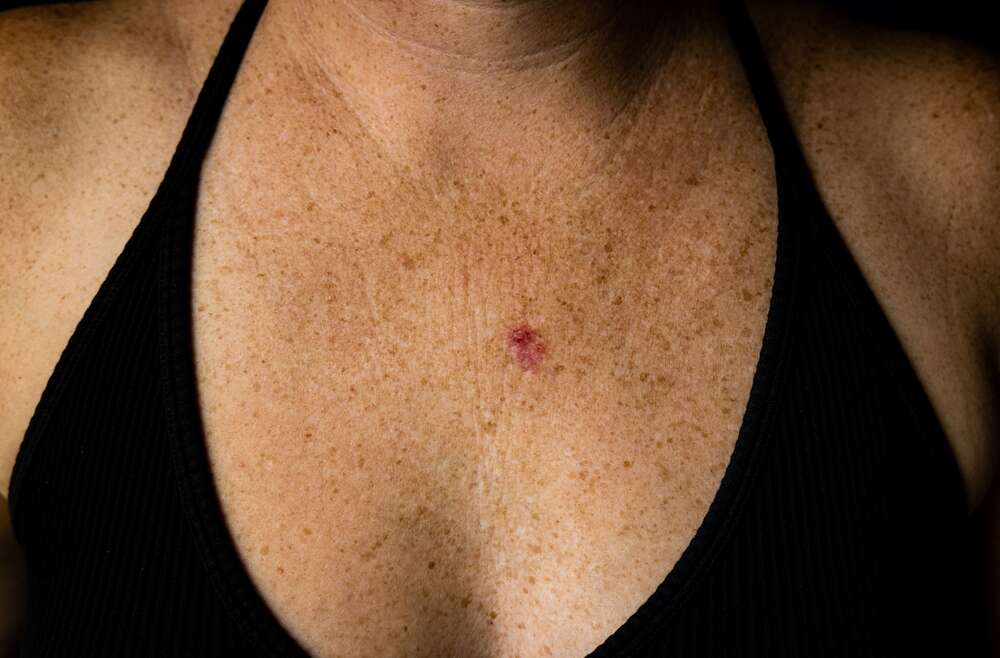
It can show up as a pearly bump, a pink patch that will not heal, or a sore that bleeds then crusts and returns.
You might see tiny visible blood vessels, a rolled edge, or a scar like area without a clear reason.
Watch for changes you can feel or see:
- A spot that bleeds with minor friction or shaving
- A shiny bump that looks clear, pink, or brown
- A flat, scaly patch that slowly grows over months
- A sore that heals, then opens again in the same place
If you spot something that you’re uncertain about, it’s far better to check with an expert, than to just ignore it and hope it passes.
Who Is Most at Risk?
Basal Cell Carcinoma doesn’t discriminate. Anyone can get BCC, yet some factors raise risk:
- Years of sun exposure, especially without protection
- Fair skin, light eyes, or hair, though all skin tones can be affected
- Tanning beds or frequent sunburns in youth
- A weakened immune system
- Personal or family history of skin cancer
Diagnosis and Next Steps
How is it diagnosed?
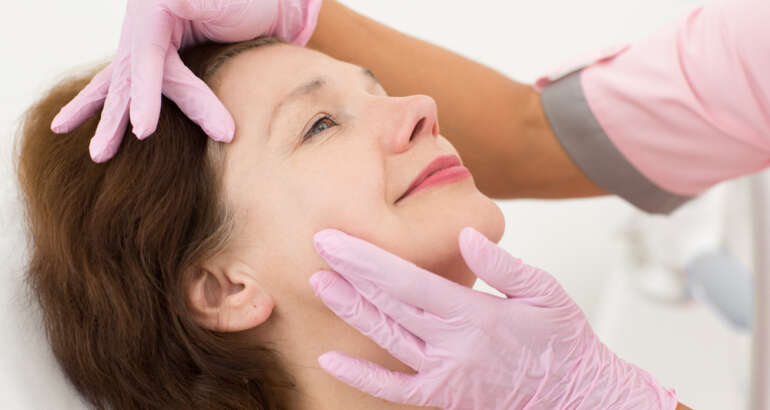
A dermatologist examines the area with the naked eye and sometimes a dermatoscope, then performs a small biopsy under local anesthesia.
The sample goes to a lab, and results confirm the type, and help determine treatment.
It can make a tremendous difference when you work with an experienced professional.
Treatment Options Explained
Your plan depends on the size, location, and features of the cancer, plus your medical history.
Common treatments include:
- Excisional surgery: removes the spot with a margin of normal skin
- Mohs micrographic surgery: removes thin layers and checks them in real time to spare healthy tissue, often used on the face and other delicate areas
- Curettage and electrodesiccation: scrapes and cauterizes small, superficial lesions
- Topical medicines or light based therapy: for select superficial cases
- Radiation therapy: an option when surgery is not ideal
When treated promptly, Basal Cell Carcinoma has excellent cure rates.
Your dermatologist will help you choose the approach that fits your goals, your skin, and your lifestyle.
How To Check Your Skin At Home
Set a reminder once a month, then look from scalp to soles in a bright room with a mirror and a hand mirror. Move slowly and take your time.
Check your face, ears, scalp, neck, chest, back, belly, arms, hands, legs, and feet, including the nails and between the toes. Ask a loved one to look at hard to see places like the scalp and back.
Keep notes or simple photos so you can compare over time:
- Circle new spots on a body map.
- Measure a changing lesion with a ruler.
- Make notes of bleeding, crusting, or pain.
- Bring your notes to your appointment.
Prevention That Actually Helps
You can lower risk and protect your results after treatment:
- Use a broad spectrum SPF 30 or higher every day, reapply every two hours outdoors.
- Wear a hat with a brim, UV blocking sunglasses, and long sleeves when you can.
- Seek shade during peak sun hours.
- Skip tanning beds completely.
- Do a head to toe skin check monthly, and take photos of spots you are tracking.
- Schedule routine full body skin exams as recommended
Questions People Ask, Answered
Is BCC dangerous? It is usually slow growing, and it is rarely life threatening, yet it needs care to prevent local damage.
Can it come back? Yes, it can recur in the same area, and once you have one, your chance of developing another rises, which makes follow up important.
Does a biopsy or removal leave a scar? Any procedure can leave a mark, yet choosing the right technique and caring for the wound with gentle cleaning, petrolatum, and sun protection supports the best cosmetic outcome.
What if I am not sure a spot is serious? Trust your instinct. If a spot looks new, changes, or simply does not heal, get it checked. If you think it could be BCC, do not wait.
Here is Your Next Step in the Right Direction: Treat Basal Cell Carcinoma in Georgia at Acworth Dermatology
If you are concerned about a changing spot, or you have a sore that does not heal, professional eyes can make all the difference.
For thoughtful, thorough skin exams, and treatment plans tailored to you, contact Acworth Dermatology & Skin Cancer Center.
Our team of compassionate and expertly-trained professionals are ready to provide you with the informative and life-saving care you deserve.
Contact us online or give us a call at 678-505-8030 to schedule your visit today, and take a calm, confident step toward healthy skin.