Mohs surgery for skin cancer is one of the most effective treatments available for removing certain types of skin cancer while preserving as much healthy tissue as possible.
If you’ve recently been diagnosed with skin cancer, you may be wondering whether Mohs surgery is the right choice for you. The answer depends on the type of skin cancer, where it’s located and whether it’s considered high risk.
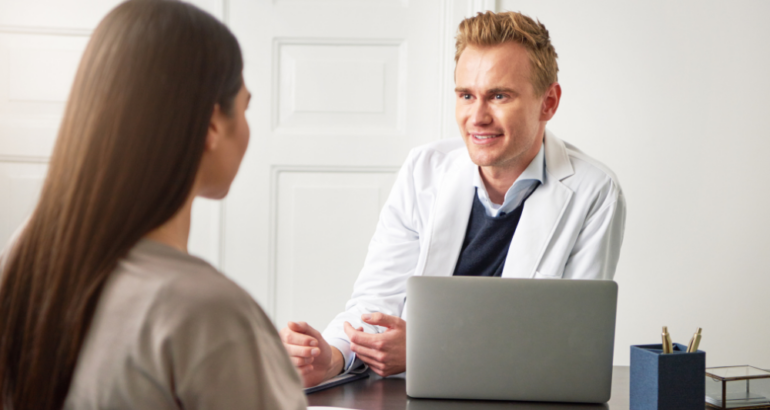
Fortunately, a fellowship-trained Mohs surgeon can evaluate your diagnosis and recommend the treatment that offers the best possible outcome while preserving healthy skin.
When Is Mohs Surgery for Skin Cancer Recommended?
Mohs surgery is commonly recommended for basal cell carcinoma and squamous cell carcinoma, particularly when the cancer develops on the face, ears, nose, lips, eyelids, scalp or other areas where preserving healthy tissue is especially important.
It may also be the preferred treatment if a skin cancer has returned after previous treatment, has poorly defined borders or demonstrates aggressive growth.
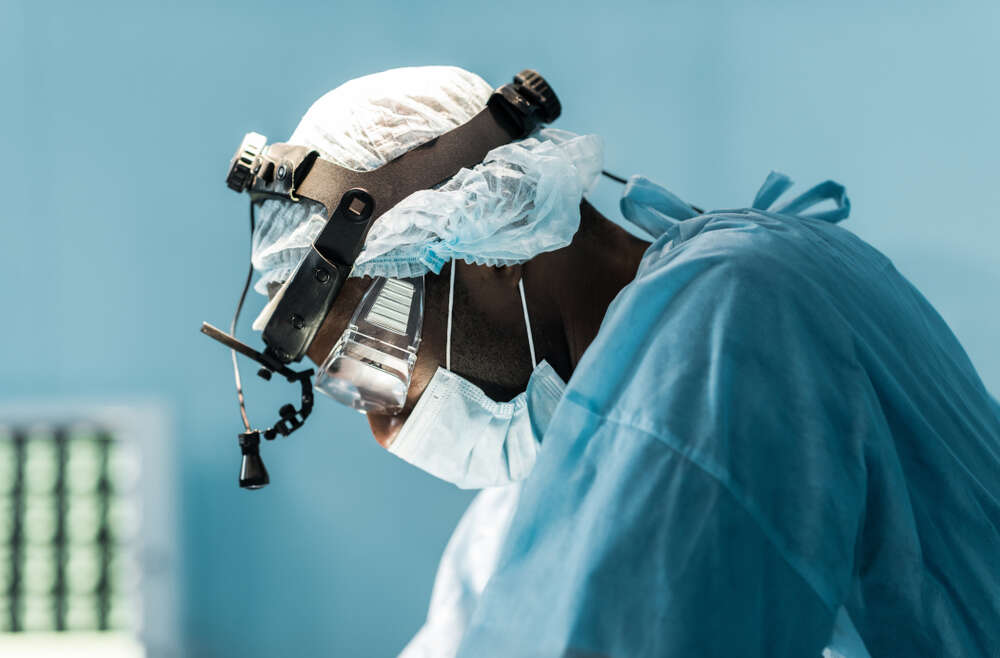
Unlike traditional excision, Mohs surgery removes cancer one thin layer at a time. Each layer is immediately examined under a microscope before any additional tissue is removed.
This precise technique allows the surgeon to confirm that all cancer cells have been eliminated while preserving as much normal skin as possible. In most cases, Mohs surgery offers cure rates greater than 95 percent.
Signs You May Be a Candidate
Every skin cancer is unique, but certain characteristics make Mohs surgery an excellent option. You may be a candidate if:
- Your skin cancer is located in a cosmetically sensitive area.
- The tumor is large or has grown deeper into the skin.
- Previous treatment did not completely remove the cancer.
- The borders of the cancer are difficult to define.
- You want the highest cure rate while minimizing scarring.
Even relatively small skin cancers may benefit from Mohs surgery when they develop in areas where preserving healthy tissue is especially important.
What to Expect During Treatment
Many patients are surprised to learn that Mohs surgery is performed in the office using local anesthesia. During the procedure, your surgeon removes a thin layer of tissue and immediately examines it under a microscope. If cancer cells remain, only the affected area is treated again.
This process continues until no cancer cells are detected. While the procedure may take several hours depending on the size and complexity of the cancer, the staged approach allows for remarkable precision.
Once the cancer has been completely removed, your surgeon will determine the best method to repair the area. Some wounds heal naturally while others may require stitches or more advanced reconstruction, depending on the size and location of the surgical site.
Don’t Wait to Have Suspicious Spots Evaluated
Skin cancer is highly treatable when detected early. If you’ve noticed a spot that won’t heal, changes in an existing mole or a growth that bleeds, crusts or continues to enlarge, scheduling an evaluation promptly is one of the most important steps you can take.
Routine skin examinations are also essential if you’ve experienced significant sun exposure, have a personal history of skin cancer or have a family history of the disease. Early diagnosis often means smaller treatment areas, simpler procedures and better cosmetic outcomes.
Expert Skin Cancer Care You Can Trust
Choosing an experienced Mohs surgeon can make a meaningful difference in both your treatment experience and your long-term results.
Dr. Johnathan Chappell is double board certified in Dermatology and Mohs Surgery and completed fellowship training dedicated to diagnosing and treating skin cancer with advanced Mohs micrographic surgery. His goal is to remove skin cancer completely while preserving healthy tissue whenever possible.
If you’ve been diagnosed with skin cancer or if you’ve noticed a suspicious mole, request a consultation online or contact Acworth Dermatology today at 678-505-8030.
Dr. Chappell and his experienced team are committed to providing personalized skin cancer care using the most advanced treatment options available.