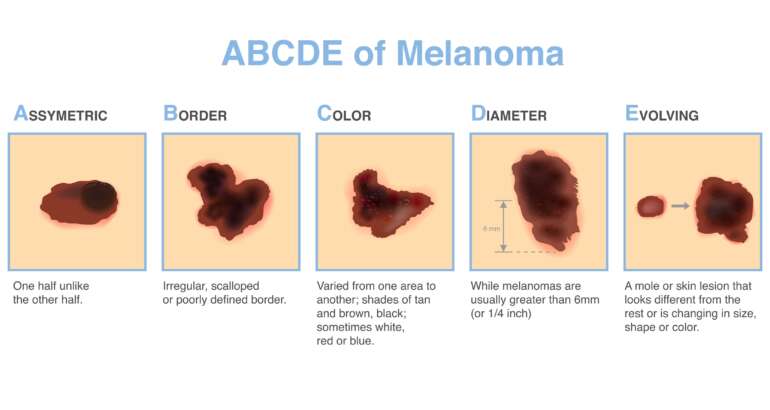

Summer in Atlanta hits differently than most places in the country.The heat arrives early, the UV index climbs fast, and outdoor time accumulates quickly for most residents.
That combination makes this the right moment to get clear on what actually raises the odds of developing skin cancer.
Your skin cancer risk factors are worth understanding before peak season, not after.
What the Research Shows
Skin cancer develops when UV radiation or other triggers cause abnormal changes in skin cell DNA.
Certain people face a higher baseline likelihood of those changes occurring. Some contributing factors are biological. Others are behavioral and within your control.
Knowing the difference is what makes this information useful rather than overwhelming. It also shapes how aggressively you and your dermatologist should approach screening.
Skin Cancer Risk Factors Heading Into a Hot Atlanta Summer
The five skin cancer risk factors below are the most clinically documented drivers of elevated skin cancer risk.
Some apply broadly to anyone spending significant time outdoors this summer. Others are tied to personal history, genetics, or past behaviors.
All of them are worth discussing directly with a board-certified dermatologist.
Risk Factor 1: Cumulative UV Exposure
Ultraviolet radiation is the leading environmental cause of skin cancer.
UV damage accumulates over a lifetime. Years of unprotected sun exposure add up, even when no single day seems excessive.
Both UVA and UVB rays contribute to cellular harm. UVA penetrates deeper into the skin and remains present year-round, including through cloud cover and car windows.
Risk Factor 2: A History of Blistering Sunburns
One or two blistering sunburns during childhood or adolescence significantly increases lifetime melanoma risk.
The harm from a severe burn extends beyond surface redness. It disrupts skin cell DNA in ways that can surface decades later.
Adults with that history should flag it with their dermatologist at every full-body screening appointment. It changes how carefully a provider looks and how frequently they want to see you.
Risk Factor 3: Skin Type and Melanin Production
People with fair skin, light eyes, and blond or red hair produce less melanin, which provides some natural UV protection.
Lower melanin levels mean the skin burns more easily and more often.
Those with Fitzpatrick Types I and II carry the highest UV-related risk. People with darker skin tones are not immune, and skin cancers in those patients are frequently caught at later stages due to lower clinical suspicion.
Risk Factor 4: Personal or Family History
A previous skin cancer diagnosis significantly raises the likelihood of a second occurrence.
Family history is also a documented risk factor. Inherited gene variants linked to CDKN2A and MC1R are associated with elevated melanoma susceptibility.
Anyone with a first-degree relative who has had melanoma should establish a regular screening schedule with a board-certified dermatologist sooner rather than later.
Risk Factor 5: Tanning Bed Use
Tanning beds emit UV radiation, sometimes at intensities that exceed midday sun exposure.
The World Health Organization classifies tanning devices as a Group 1 carcinogen, placing them alongside tobacco in terms of established cancer-causing evidence.
Regular use before age 35 raises melanoma risk substantially. There is no recognized safe level of tanning bed exposure.
What to Do If These Skin Cancer Risk Factors Apply to You
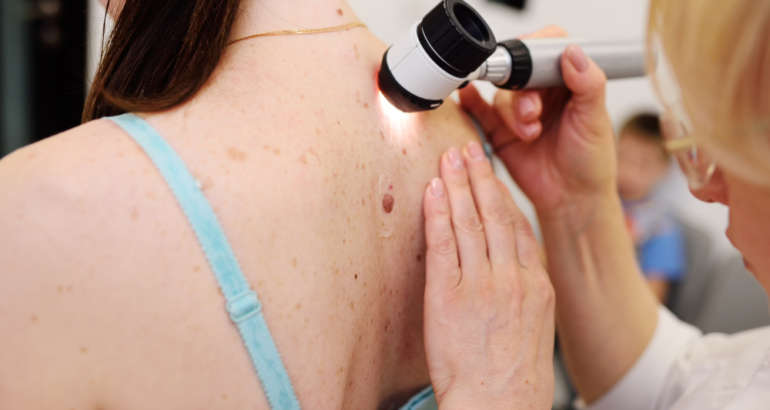
Annual full-body skin exams are the most reliable way to catch changes before they progress.
Broad-spectrum SPF 30 or higher applied daily, protective clothing, and consistent shade-seeking all lower cumulative exposure over time.
If one or more of the factors above applies to your history, scheduling a screening sooner rather than later is the right call. Early detection consistently expands treatment options and improves long-term outcomes.
Protect Your Skin, Book Your Skin Cancer Examination Today with Our Leading Experts
Acworth Dermatology and Skin Cancer Center offers full-body skin exams and expert evaluation for patients at every level of concern about their skin health.
Call 678-505-8030 to book or fill out our online contact form to request your appointment.