


Winter offers a unique opportunity to address stubborn melasma and uneven pigmentation, especially when reduced sun exposure can make it easier to protect your skin throughout treatment.
At Acworth Dermatology, we help patients take advantage of the cooler months with personalized melasma treatment options designed to improve discoloration and promote a more even complexion.
Why Melasma Can Be Worse in the Summer
Melasma causes brown or gray-brown patches to appear on the face. It usually shows up on the cheeks, forehead, and bridge of the nose.
It’s commonly triggered by sun exposure. UV rays stimulate melanin in the skin, which can make existing patches even darker.
Excess heat and visible light can also cause flare-ups.
Hormones play a role, too. Women are more likely to experience melasma during pregnancy or when taking birth control pills.
Thankfully winter can offer some reprieve. Shorter days and generally less UV exposure can make it easier to protect your skin when starting treatment.
Of course, daily sun protection is still important, even on cloudy, cold days!
Why Winter Is a Smart Time to Start Melasma Treatment
One of the biggest advantages of starting melasma treatment during the winter is having a head start before the warmer months roll around. Many treatments take several weeks or months to show noticeable improvements.
Winter also makes it easier to minimize direct sun exposure while your skin is recovering. This is an important part of recovering from treatments like chemical peels, microneedling, and laser therapy.
Another reason not to wait? Melasma can be stubborn!
It may improve with treatment, but it can also return when exposed to certain triggers. Starting early gives you more time to find a routine that keeps flare-ups under control.
Which Melasma Treatments Should I Start With?
There isn’t one treatment that works perfectly for everyone with melasma. The right approach depends on your skin and other factors.
At Acworth Dermatology, Dr. Johnathan Chappell will thoroughly evaluate your skin before you start a melasma treatment plan.
Here are some first-line options.
Prescription Creams and Topical Treatments
Topical treatments are often the first step. Creams with active ingredients like hydroquinone can reduce excess pigmentation by slowing melanin production. Topical steroids may also be recommended.
These options are often a good starting point because they address pigmentation without requiring an in-office procedure.
Chemical Peels
If creams don’t provide expected results, a chemical peel may be the next step. Peels remove damaged outer layers of skin to encourage new skin growth.
They can improve uneven pigmentation and overall skin tone. However, the type and strength of the peel matter.
Aggressive treatments can sometimes make melasma worse, so choosing the right one is important.
Microneedling
Microneedling is another great option. It’s non-invasive and creates amazing results.
It uses tiny needles to create small injuries on the skin. This revs up the skin’s natural healing process.
Microneedling also encourages collagen production, which can help improve the appearance and texture.
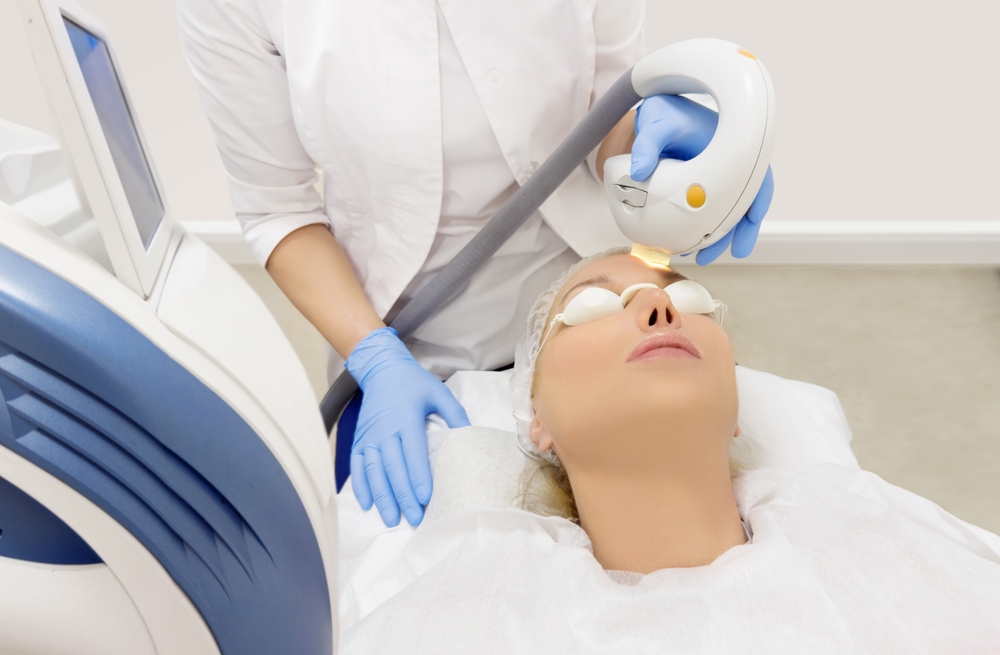
IPL and Laser Resurfacing
If you have very stubborn pigmentation, certain light-based treatments and laser resurfacing procedures can be helpful.
IPL uses pulses of light to target areas of discoloration, while laser resurfacing works by treating specific layers of the skin.
These treatments aren’t suitable for every person with melasma. In fact, they can sometimes trigger additional pigmentation if the wrong settings are used.
A careful skin assessment is important before moving forward with these treatments.
Start Melasma Treatment This Winter at Acworth Dermatology
You don’t have to go another winter, or summer, wishing the dark patches on your face would disappear.
Winter is the perfect time to get ahead of melasma by exploring your treatment options. At Acworth Dermatology, we offer many treatment options to improve the appearance of your skin.
Contact us online or give our office a call at 678-505-8030 to book a consultation with Dr. Chappell.
Who is Dr. Johnathan Chappell?
Dr. Johnathan Langston Chappell, MD is a double board-certified dermatologist and Mohs surgeon practicing at Acworth Dermatology & Skin Cancer Center in Acworth, Georgia.
Education & Academic Background
- Undergraduate: Graduated magna cum laude with a Bachelor of Science in Biology from Morehouse College, where he was inducted into the Phi Beta Kappa honor society.
- Medical School: Earned his medical degree from Morehouse School of Medicine.
- Internship: Completed at the University of South Alabama.
Residency & Specialized Training
- Residency: Trained in dermatology at Howard University Hospital in Washington, DC, spending over half of his residency at the Washington VA Medical Center treating diverse skin types in medical and cosmetic dermatology.
- Fellowship: Completed a fellowship in Mohs micrographic surgery at the Northwestern Skin Cancer Institute in Chicago under the supervision of Drs. Brian Cook and Jean Christophe Lapiere.
Credentials & Recognition
- Double-board certified in Dermatology and Mohs Surgery.
- Fellow of the American Academy of Dermatology (FAAD).
- Named among Atlanta Magazine’s Top Doctors of Atlanta and consistently recognized as a Castle Connolly Top Doctor.