


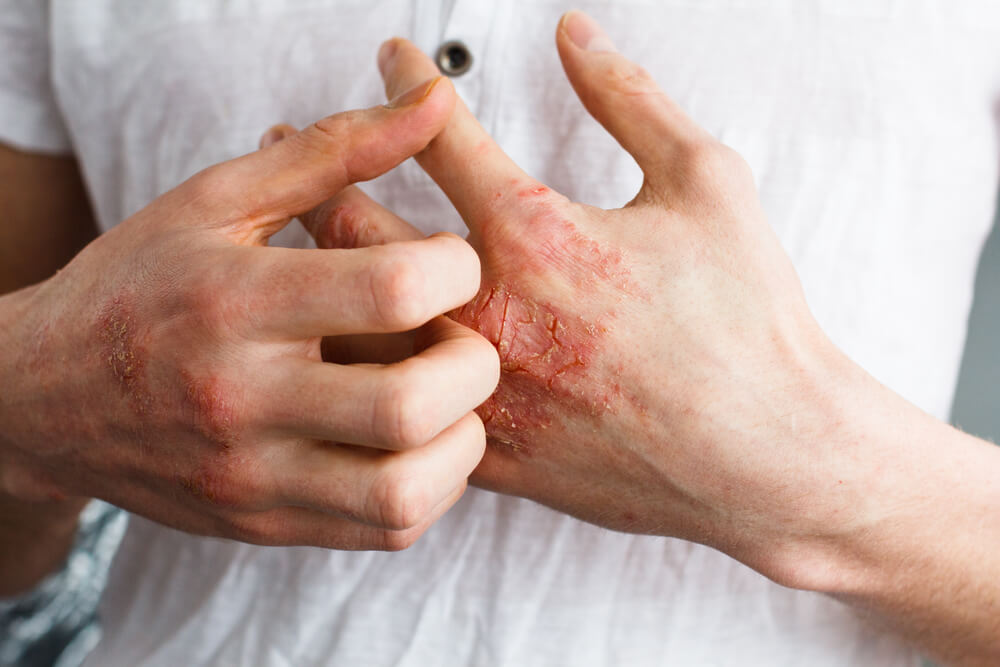
If your skin is itchy, flaky, inflamed, and absolutely refusing to behave, psoriasis may be the culprit. This chronic autoimmune condition affects millions of people and can show up nearly anywhere on the body, often at the most inconvenient time.
Getting a correct diagnosis is the first real step toward meaningful relief. This guide breaks down how psoriasis is identified and treated, and what to expect when managing psoriasis near Alpharetta, Georgia, with expert care.
What Psoriasis Is and Why It Develops
Psoriasis is driven by an overactive immune system that mistakenly speeds up the production of skin cells. Instead of shedding naturally over weeks, cells build up in days and form thick, red patches covered with silvery scales. These areas can itch, burn, crack, and even bleed during severe flares.
There are several types of psoriasis, including plaque, guttate, inverse, pustular, and erythrodermic. Plaque psoriasis is by far the most common. Triggers vary widely and may include stress, illness, skin injury, cold weather, smoking, alcohol use, and certain medications. Because triggers differ from person to person, long-term control often requires a personalized management strategy.
Psoriasis Near Alpharetta, Georgia: How is It Diagnosed?
Diagnosis usually begins with a detailed skin examination by a dermatologist. The provider evaluates the appearance, texture, and distribution of the affected areas and reviews your symptom history. Since psoriasis can resemble eczema, fungal infections, or allergic reactions, visual diagnosis is not always enough.
In some cases, a skin biopsy is performed. A tiny sample of skin is examined under a microscope to confirm the diagnosis and rule out other conditions. Early and accurate diagnosis is important because untreated psoriasis can worsen over time and, in some patients, lead to joint inflammation known as psoriatic arthritis.
Treatment Options That Actually Make a Difference
Psoriasis treatment is not one-size-fits-all. The most effective plans are customized based on the severity of symptoms, the size of the affected area, and how your skin responds to therapy.
Topical treatments are often the first line of defense. These may include corticosteroids, vitamin D analogs, retinoids, and combination medications to slow skin cell growth and reduce inflammation. For more stubborn or widespread cases, phototherapy may be recommended to calm immune activity in the skin.
Moderate to severe psoriasis may require systemic medications that work from the inside out. These therapies target the immune pathways responsible for inflammation and scaling. While highly effective, they require careful monitoring and ongoing dermatologic supervision.
Lifestyle Management and Flare Prevention
Medical treatment works best when paired with smart skin care habits. Daily moisturizing helps protect the skin barrier and reduce itching. Gentle cleansers and fragrance-free products can minimize irritation. Stress management is also key since emotional stress is one of the most common flare triggers.
Avoiding known personal triggers plays a huge role in maintaining long-term control. That may include adjusting diet, limiting alcohol, protecting the skin from injury, and keeping the immune system strong through consistent health maintenance.
Long-Term Care and When to Seek Help
Psoriasis is a lifelong condition with periods of flare and remission. The goal of treatment is not just to clear the skin temporarily but to keep symptoms under control long term. Regular dermatology follow-ups allow treatment plans to evolve alongside your skin’s needs.
If your symptoms begin interfering with sleep, work, confidence, or daily comfort, it is time to seek professional care. Early and consistent treatment can significantly improve quality of life and reduce the risk of long-term complications associated with psoriasis near Alpharetta, Georgia.
For patients seeking expert diagnosis and advanced treatment for psoriasis near Alpharetta, Dr. Jonathan Chappell provides comprehensive medical dermatology care for chronic inflammatory skin conditions.
To schedule your consultation or to speak with a member of our team, contact us online or call 678-505-8030.