


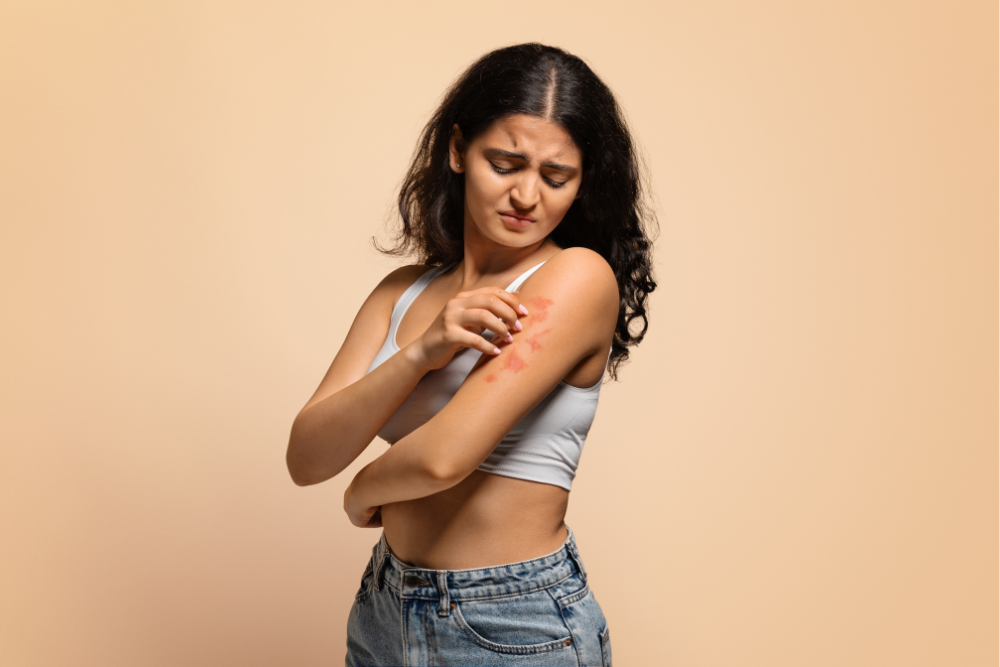
Chronic disorders like psoriasis are tricky to navigate, more so when it comes to successfully treating your symptoms. You may be wondering, “Can psoriasis be cured?”
Here’s what experts want you to know about this condition and managing it long term.
What Is Psoriasis? Understanding This Tricky Condition and Why It Occurs in the First Place
Psoriasis is an autoimmune disorder that primarily affects your skin. This condition causes skin cells to build up rapidly, much faster than your body can process, leading to uncomfortable symptoms.
Your immune system mistakenly attacks healthy skin cells, further speeding up the renewal cycle.
While the exact cause of this is not fully understood, it’s believed to be triggered by a combination of environmental factors and your genetics.
Psoriasis has both an emotional and physical impact on individuals struggling with it due to its intense and life-altering symptoms.
Different types of psoriasis present in their own ways. Identifying the type you have affects your ability to manage it safely and successfully.
Are There Different Types of Psoriasis? Telltale Signs to Look Out for and Report to Your Doctor
Psoriasis is not as cut-and-dry as you may think. When you think of this disorder, a specific image likely comes to mind, but there are actually five types of psoriasis:
- Plaque: This is the most common type and what you imagine when you hear psoriasis. It’s characterized by raised, scaly, red patches covered in a silvery-white buildup of dead skin.
- Pustular: Exactly what it sounds like, this form appears as white pustules surrounded by inflamed, red / discolored skin. It can be limited to certain areas or widespread.
- Inverse: Occurring in skin folds like your armpits, groin, or beneath your breasts, inverse psoriasis presents as shiny, smooth lesions without a scaly appearance.
- Guttate: Typically triggered by bacterial infections or certain medications, it appears as small, scaly dots or drop-like spots. It commonly affects your arms, legs, and torso.
- Erythrodermic: This is a rare, severe type of psoriasis that can be fatal when untreated. It’s characterized by ill-defined plaques and discoloration on more than 75% of your body.
Other symptoms that may occur include itching, irritation, dry skin that may crack and / or bleed, and changes to your nails. Psoriatic arthritis can also affect individuals with this disorder.
Can Psoriasis Be Cured? Managing Your Symptoms for a Healthy, Happy Life
Unfortunately, there is no known cure for psoriasis yet. Autoimmune diseases are chronic, making them a life-long diagnosis.
This shouldn’t discourage you from prioritizing your health, comfort, and peace. Working with an experienced dermatologist is key to both diagnosis and treatment for your specific case of psoriasis.
While the answer to, “Can psoriasis be cured,” is no, it’s entirely possible to manage this condition effectively.
Identifying and avoiding your triggers is a key element in treatment. Stress, illness, injury to your skin, and even weather can trigger a flare of your symptoms.
Topical treatments, including steroid creams, vitamin D analogs, and moisturizers, reduce plaques significantly. Phototherapy with UV light is also beneficial for minimizing inflammation and cell growth.
Moderate to severe cases may necessitate systemic medications that target your immune system.
Finally, lifestyle changes are recommended to improve your health as a whole. It’s important to avoid smoking, manage your stress, and adhere to a nutritious diet to ward off sickness.
From Diagnosis to Treatment, Acworth Dermatology and Skin Cancer Center Invites You to Take Control of Your Psoriasis!
Managing your condition and its triggers doesn’t have to be so complicated.
Our top-rated dermatologist and his staff are here to help you explore your options for long-lasting management. We offer a range of treatments and guidance to improve your health and happiness.
Contact us online or call us today at 678-505-8030 to set up your appointment!