


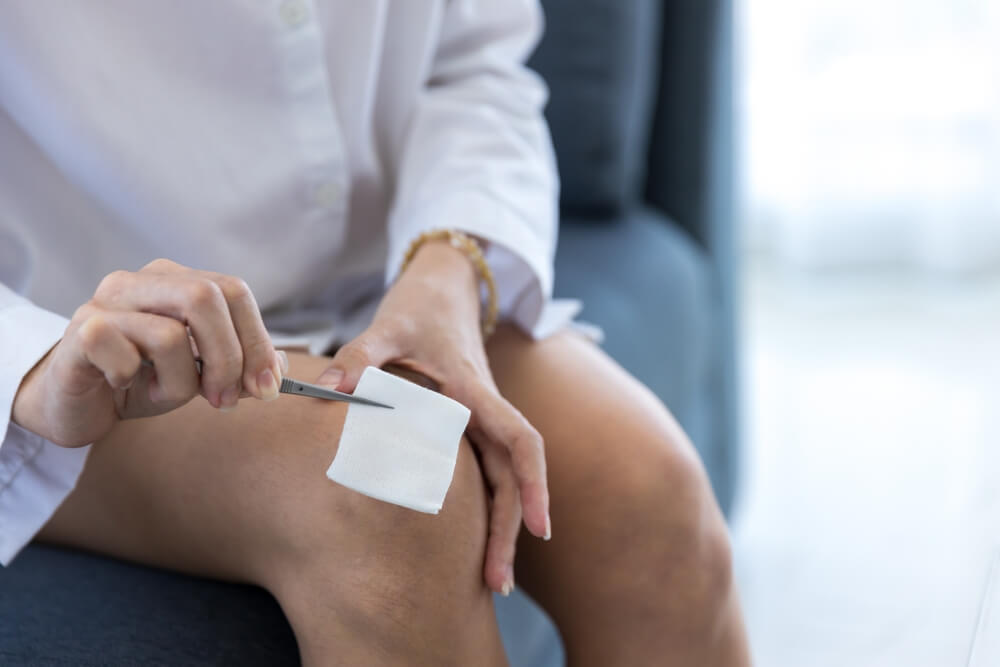
Following aftercare instructions for Mohs surgery is essential for proper healing, infection prevention, and achieving the best possible cosmetic outcome.
Mohs surgery is a precise and effective treatment for skin cancer, but recovery depends heavily on how well patients care for the surgical site in the days and weeks following the procedure.
Why Aftercare Matters After Mohs Surgery
Mohs removes cancerous tissue layer by layer while preserving healthy skin. Because the procedure is highly targeted, proper wound care helps protect surrounding tissue and supports faster healing.
Patients who closely follow aftercare instructions for Mohs surgery are less likely to experience complications such as excessive bleeding, infection, or delayed healing.
Aftercare Instructions for Mohs Surgery: Immediate Needs After Your Procedure
After surgery, the treated area will be bandaged to protect the wound and control bleeding. Patients are typically advised to keep the bandage clean and dry for the first 24 hours unless otherwise instructed.
Rest is encouraged on the day of surgery, and strenuous activity should be avoided to reduce pressure on the wound.
Mild bleeding or oozing can occur during the first day. Applying gentle, steady pressure as instructed usually resolves this. Keeping the surgical area elevated when possible can also help minimize swelling.
Cleaning and Caring for the Wound
Once the initial bandage is removed, patients should clean the wound as directed using gentle techniques. This often includes mild soap and water, followed by applying a recommended ointment to keep the area moist. Allowing the wound to dry out can slow healing, so consistent care is important.
Dressings should be changed according to instructions, and hands should always be washed before touching the surgical site.
These steps are a key part of aftercare instructions for Mohs surgery and help reduce the risk of infection.
Managing Swelling, Bruising, and Discomfort
Swelling and bruising are common, especially when surgery involves the face or scalp. Cold compresses applied intermittently during the first 24 to 48 hours can help reduce swelling.
Discomfort is usually mild and manageable with physician-approved pain relievers.
Patients should avoid medications that increase bleeding risk unless approved by their provider. Any sudden increase in pain or swelling should be reported promptly.
Activity Restrictions and Healing Timeline
Physical activity should be limited during the early healing period. Bending, lifting, and strenuous exercise can increase blood flow to the area and cause bleeding.
Most patients can gradually resume normal activities based on the location and size of the surgical site.
Healing timelines vary, but many patients notice steady improvement over the first few weeks. Following aftercare instructions for Mohs surgery supports consistent healing and helps minimize scarring.
Sun Protection and Long-Term Skin Care
Sun protection is critical after Mohs surgery. Healing skin is especially sensitive to UV exposure, which can lead to discoloration or delayed healing.
Protective clothing and sunscreen should be used once the site has healed enough for topical products.
Long-term skin care also includes regular skin checks and monitoring for new or changing lesions. These habits help protect overall skin health beyond the immediate recovery period.
When to Contact Your Provider
Patients should contact their provider if they experience signs of infection, excessive bleeding that does not improve with pressure, or worsening pain.
Early communication allows concerns to be addressed quickly and supports optimal recovery.
Need More Info About Aftercare Instructions for Mohs Surgery?
For expert guidance before and after Mohs surgery, Acworth Dermatology provides comprehensive care focused on safety, precision, and patient education.
To learn more or to schedule an appointment, contact our office online or call Acworth Dermatology at (678) 505-8030.